

Bathroom repairs
To ensure your bathroom remains a welcoming haven of well-being, you will need to carry out a few repairs from time to time. We explain how you can remedy minor issues in your bathroom.
Helpful tips for bathroom repairs
Every now and then, problems crop up in the bathroom, for example with the pipes, tubes, toilet bowls, taps or shower doors. Some kind of bathroom repair will then be required, because blocked drains, leaking pipes or a dripping tap are unpleasant and also a waste of precious water.
However, other things in your bathroom will occasionally need repair too. For example, the silicone seals between tiles, or the tiles themselves may be damaged. Picture the scene... you’re standing in front of the mirror in the morning, feeling tired. You reach for the hairdryer and it slips out of your hand. The hairdryer survives the impact but the floor tile is now cracked. Of course, to make sure no-one gets hurt, you will have to replace it. Often, however, it is simply signs of wear and tear that prompt inevitable bathroom repairs. Here, we explain which bathroom repairs you can carry out yourself and what tools and materials you will need.
Our repair guide

Changing the tap seal
Leaks in the bathroom require immediate attention, whether it’s a leaking pipe or a dripping tap. The problem might be due to the seal. You can replace this yourself in a few simple steps. This article explains what to do and some important points to bear in mind.

Blocked toilet?
Is your toilet blocked? The problem can often be quickly solved using tools such as a toilet brush, plunger or pipe cleaning spiral, or simple household remedies such as vinegar, baking powder and hot water. We explain the options and how to clear a blocked toilet.

Dripping tap?
Bathroom taps sometimes need to be repaired. A dripping tap, for example, is often caused by limescale. To fix the problem, unscrew the jet regulator at the end of the tap and immerse it in a solution of vinegar and water. Find out what other problems can cause a dripping tap and how to avoid them.

Repairing silicone seals
All silicone seals crack over time and this then encourages the formation of mould. If possible, you should replace old silicone to prevent moisture from penetrating into the walls. The old silicone can be removed easily using a special scraper before you inject the new material into the joints using a caulking gun. You can find useful tips and advice for repairing bathroom seals here.
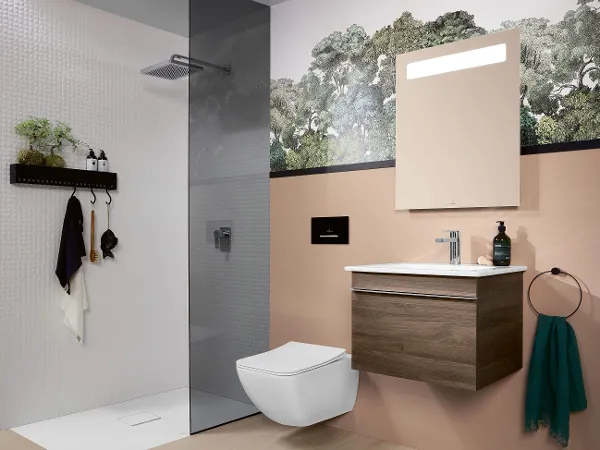
Fixing plumbing troubles in the bathroom
We've all been there: dealing with a leaking toilet flush that causes the water to run non-stop. Not only can it be expensive, but it also leads to unnecessary waste of water. It’s therefore a problem that need repairing quickly. Most of the components of a flush system – the seal, float and inlet valve, for example – can be repaired or replaced easily. When purchasing spare parts, always check that they are compatible with your toilet flush system.
But what happens if ceramic of your bathroom fittings gets damaged? Minor scratches on the washbasin or shower can be fixed using a special repair kit. If the damage is more extensive, it will be best to buy a new one.